DIGITAL PROGRAMME
FOLLOW US ON SOCIAL MEDIA!
Don’t forget to tag us in a post after seeing the show using the hashtag
#TheWeddingSadlersWellsEast
We love hearing from you!
We are all married, bound by a contract.
But what are the terms of this relationship? And can we consider a divorce?
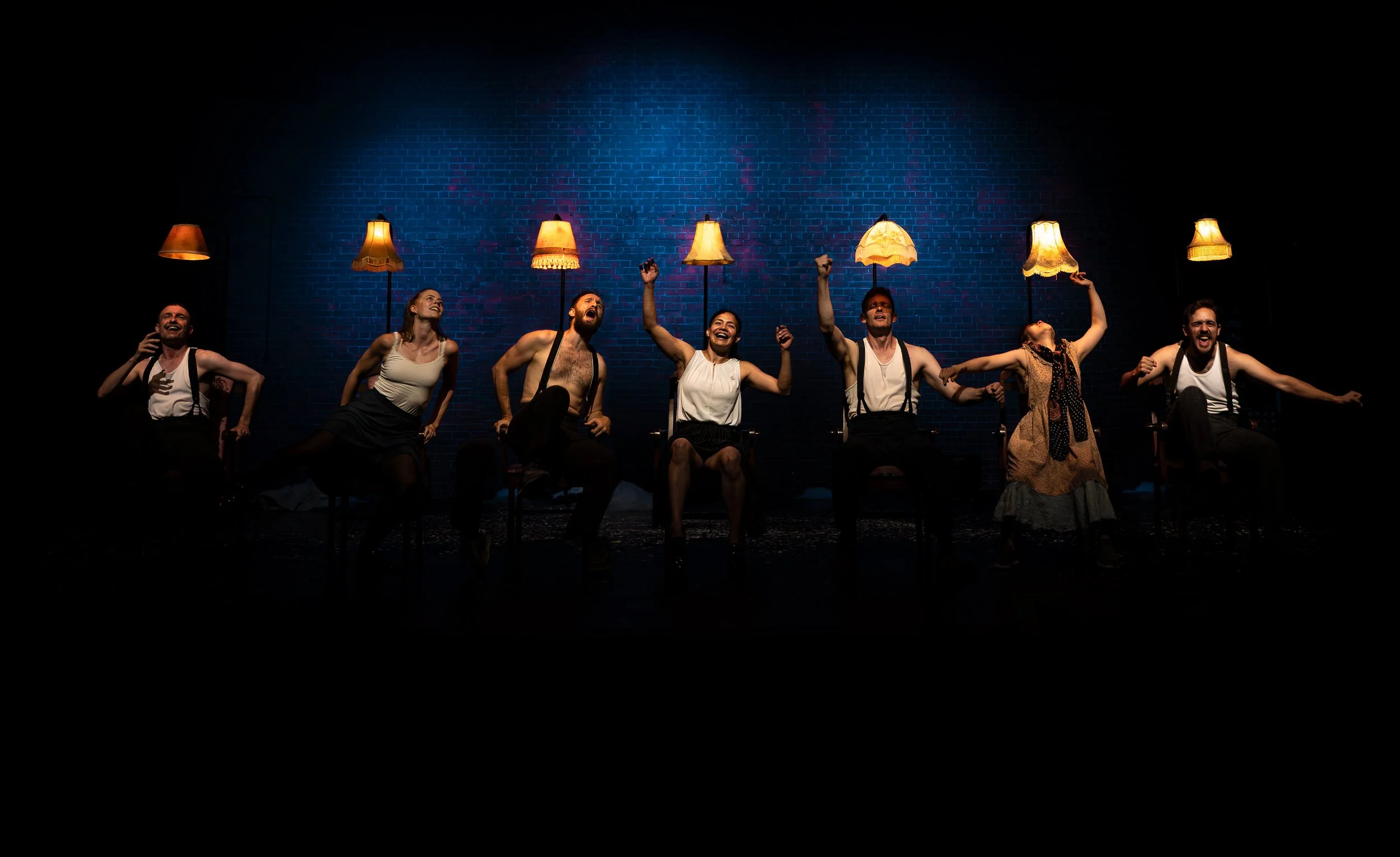
The Wedding is inspired by the complexities of human nature: the struggle between love and anger, creation and destruction, community and isolation. Part of MimeLondon, everything is laid bare for the audience to see in this reimagined version of our beloved production.
In a blur of wedding dresses and contractual obligations, our extraordinary ensemble of international performers guide audiences through a dystopian world in which we are all brides, wedded to society.
Combining movement, imagery and provocative narratives in our trademark style, The Wedding brings matrimonial contracts into question with an emotionally charged and spectacular performance.
We all want to believe in our journey, but where are we heading? Is it too late to stop, to go back, to fall in love, to start again?
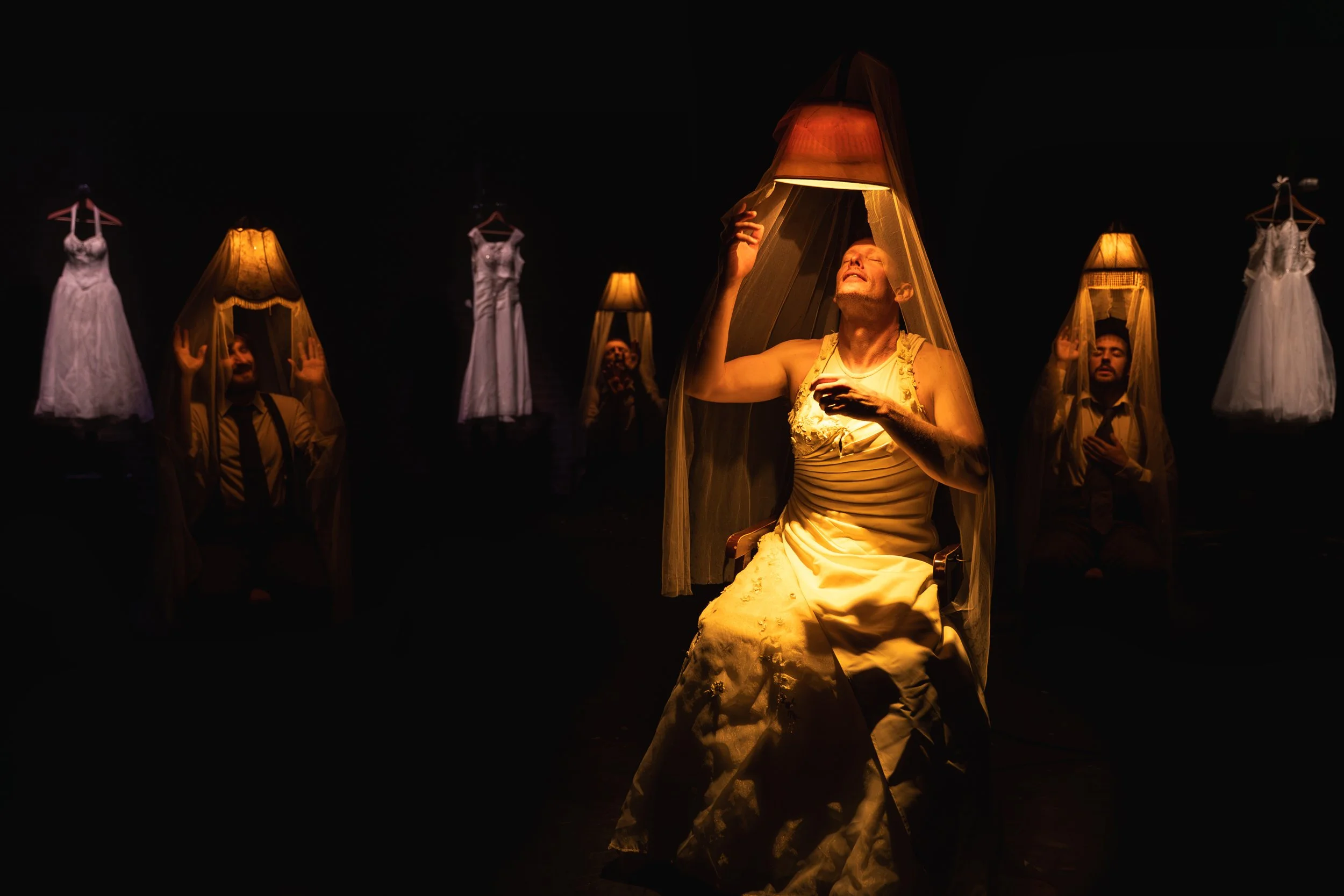
Photo by Malachy LuckieDirector’s Note
“The Wedding was born from a deep sense of urgency. I kept returning to the words of Sophie Scholl, who, facing her own execution, spoke about standing up for what you believe in, even if you are standing alone. Her bravery, her refusal to quietly step into line, found its way into the making of this work through something deeply personal to me as an artist.
Ten years ago, as we began creating The Wedding, I felt a creeping sense of being trapped within forces that were tightening their grip — political, media, and elite powers shaping our lives in ways that felt increasingly fixed and unaccountable. The piece emerged in the build-up to Brexit, from a fear that someone, somewhere, was going to pay the price. That fear has since played out far more starkly than I could have imagined. What once felt like a warning now feels like lived reality.
The metaphor at the heart of the piece: marriage as an arranged or forced contract, still resonates. But today, the alarm bells ring even louder. The call to resist sleepwalking, to question, and to stand alongside one another feels more urgent than ever. Sophie Scholl’s courage reminds us that there is no cavalry coming to save us. Responsibility sits with each of us. Change begins there.
This new iteration of The Wedding reflects that urgency in its form as well as its content. The original production was bold, elaborate, and expansive — made in a time when large-scale touring still felt possible. Ten years on, the artistic landscape has shifted. Resources are tighter. Risks are harder to take. And yet, within that constraint, something vital has opened up.
Everything has been stripped back. The set, the masking, the protection of scale have all been removed. What remains is the essential quest of the performers — a group of international artists standing fully exposed, with nothing hidden away. This is The Wedding laid bare: more vulnerable, more direct, and, I believe, more brave.
If we want to continue as artists, if we want to keep speaking freely, we have to adapt. We have to find new ways to be heard. This version of The Wedding is made to travel, to meet audiences across Europe, to speak directly to young people and diverse communities. There is no distance here, no spectacle to hide behind.
Here we are. Come and meet us face to face.”
Amit Lahav

Q&A with Amit Lahav
For someone who has never seen Gecko’s work, how would you describe what the audience will experience?
When you come and see a Gecko show, you sort of fall into a dream – or a nightmare, depending on your point of view! Each moment is crafted very carefully so you never know what’s going to happen next; there are always tricks and things will emerge from unexpected places. The shows are both a reflection, and a comment, on life, which can sometimes be a dark place. All the different elements are there to take the audience to another dimension, and as an invitation to re-imagine the world.
Photo by Mark SeppleWhere do you get your inspiration?
Inspiration for creating work is all around us. It’s in our personal lives, in the news, politics, and in the relationships that we have with our friends, families and colleagues. The Wedding began from two feelings that sat side by side: anger and hope. Anger at the sense of being locked into a social and political contract I hadn’t consciously agreed to, and at the growing feeling of being bullied as a citizen within systems that increasingly felt fixed, opaque, and unaccountable. At the same time, there was hope - rooted in working with young people and diverse audiences - and a belief that as artists we have a responsibility to provoke curiosity, and critical thought, particularly at moments when compliance feels easiest.
Working closely with international artists, the process began by exploring marriage rituals across cultures. Very quickly, it became clear that the work was not literally about marriage, but about what that ritual represents. The wedding became a metaphor for adulthood: the moment we are ushered out of childhood and woven, into the machinery of society. Characters are spat onto the stage as if emerging from adolescence, then dressed, celebrated, and absorbed into systems of order, hierarchy, and expectation. Even moments of joy, excess, and celebration are tightly contained within the norms of that world.
At the heart of the piece is a set of tensions and questions: about empathy, tolerance, and belonging; about who is allowed to participate and who is excluded; about how fear and distrust - particularly around immigration - are manufactured and weaponised by political, media, and elite classes. Through direct address, rupture, and confrontation, the work challenges both the characters and the audience to recognise their own agency, even if it is quiet or uncomfortable. The Wedding ultimately asks whether we continue to sleepwalk within systems of power, or whether we can pause, stand side by side, and choose to think anew.
How do you then realise these ideas for the stage?
The creation process is a slow, organic three-year process to get a show to its first audience. All I have at the beginning is a feeling, an idea. I have no idea what the conditions are, what the world is or who the characters are. These things require a very detailed process where, through searching and uncovering, things slowly start to rise to the surface that I fall in love with. While these elements may not make it into the piece, they at least become an anchor for me to then find a way to get to the next thing to fall in love with. I’m also steering a group of human beings through that process, and it’s important for them to feel personally and emotionally connected to these ideas, which are often about their own migration stories. So, it’s a trial-and-error testing ground, it’s all workshopped in every way imaginable until something clicks and eventually things fall into place.
The Sound World of The Wedding
Since Gecko’s first show in 2001, Amit has worked with composer Dave Price who has developed an intimate relationship and working method with the company which allows him to create original music that reflects the narrative and emotional tone of the piece. Dave’s work is then combined with a soundscape by designer Jon Everett.
Unlike a more traditional play, language is not the main method of storytelling. Our performers come from all over the world and speak their own languages in the show. As a result of this, no audience member understands all the languages spoken, and the words become less important than the emotion conveyed.
The Wedding is a big show with a culturally significant story and the sound and music have an epic, cinematic quality that helps articulate and expand the narrative, gluing everything together.
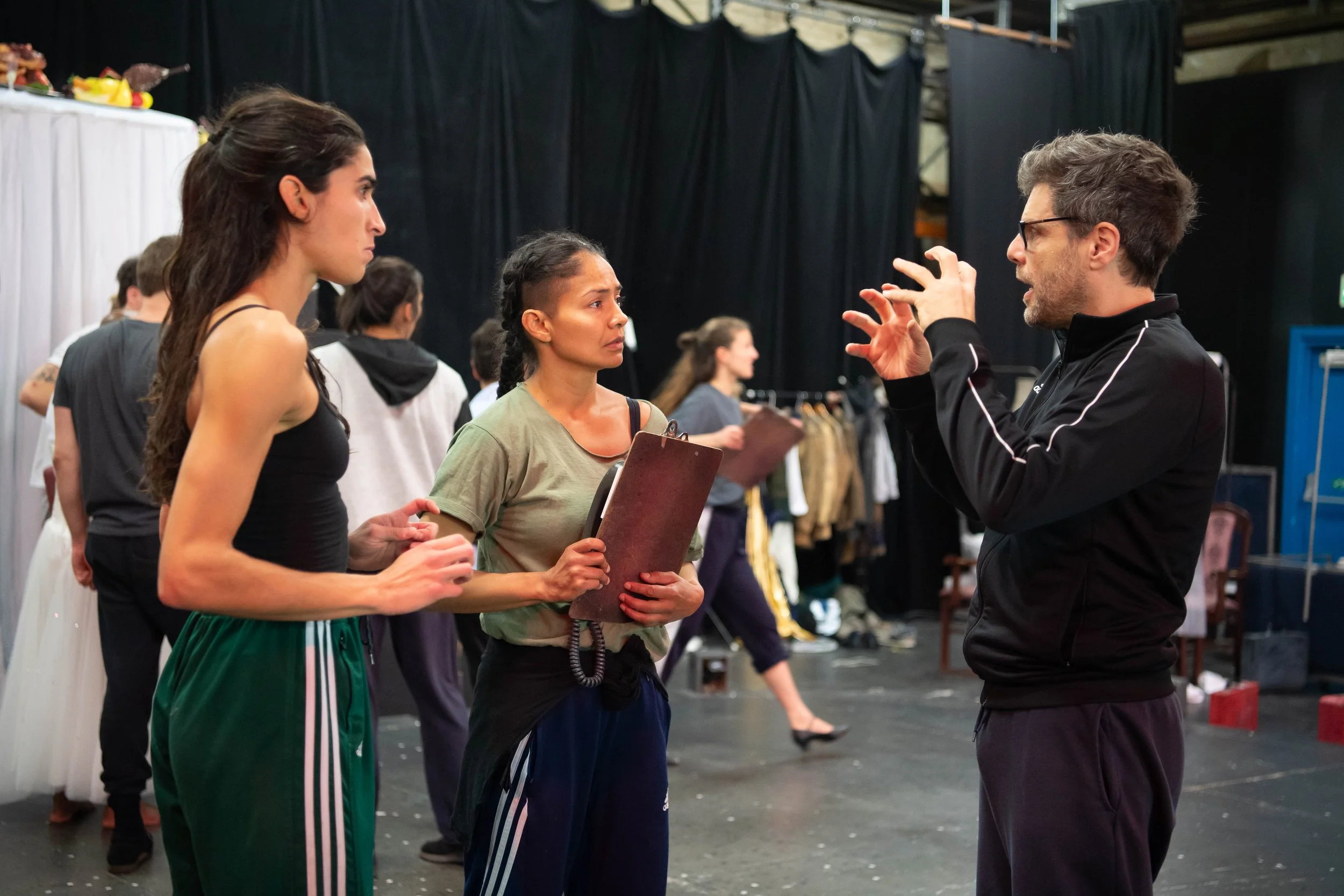
Photo by Mark SeppleVoices & Languages
Multiple spoken languages are used by the performers throughout the show, but are not the main method of storytelling. In fact, no audience member will understand all the dialogue spoken in our shows as so many different languages are used.
Language becomes an equal layer of the soundscape with the intention of aiding the emotion of a scene rather than defining narrative or meaning. Often words are muttered or sentences are left incomplete. With an ensemble of nine international performers in The Wedding, this also brings with it the largest selection of different languages of any Gecko show so far.
The following languages are spoken in The Wedding, some by native speakers and some that have been learnt specifically for the role: Basque, Serbian, Cantonese, Norwegian, English, French, Spanish, Arabic, Georgian, German, Welsh, Russian and Esperanto. Some performers use more than one language within the show, as many perform multiple roles. Another trait of Gecko’s performance style is the use of breath as a way of portraying emotion to support the narrative.
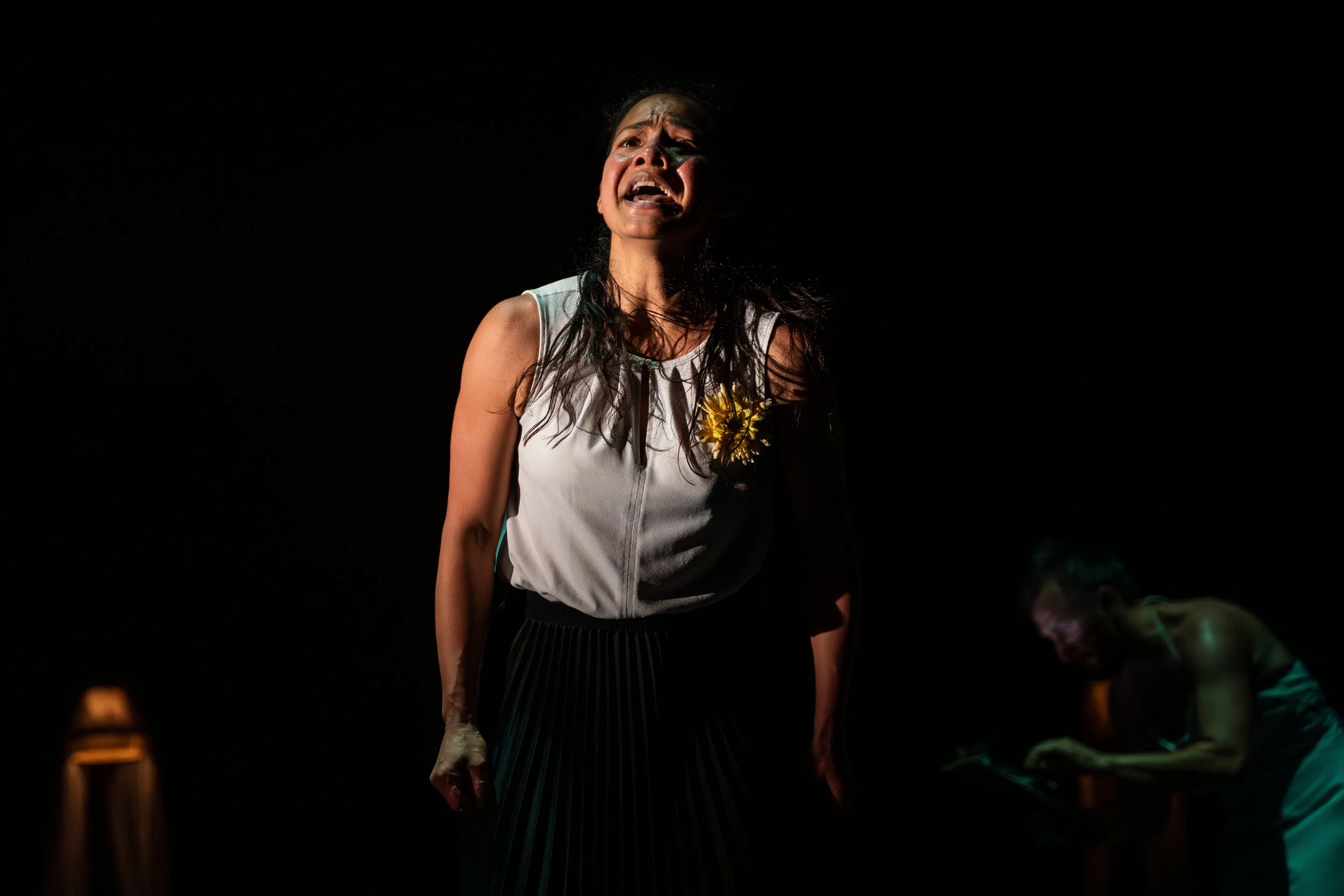
Photo by Malachy LuckieMusic and Compositional Themes
The narrative moves between various characters and worlds. There are distinct musical themes which help to drive the choreography and propel the story of each character forwards.
The show starts with the sound of a mother giving birth. Before this baby emerges onto the stage as an adult, the sound of their journey from baby crying to children playing to adult voice echoes around the auditorium.
As the adult characters are ‘born’ onto the stage, they are initiated into an authoritarian office world via a wedding ceremony. The other ensemble performers welcome the new arrival, using their voices to celebrate a new colleague.
During the show’s development, a key area of exploration was the ceremony of weddings across different cultures and geographical areas. The rituals of a wedding carries a strong sense of identity and import.
The show features a Jewish wedding for which clarinet maestro Dave Shulman was recorded to get the authentic Klezmer sound, and an Eastern European or Georgian wedding featuring the sounds of the cimbalom, fiddle and accordion.
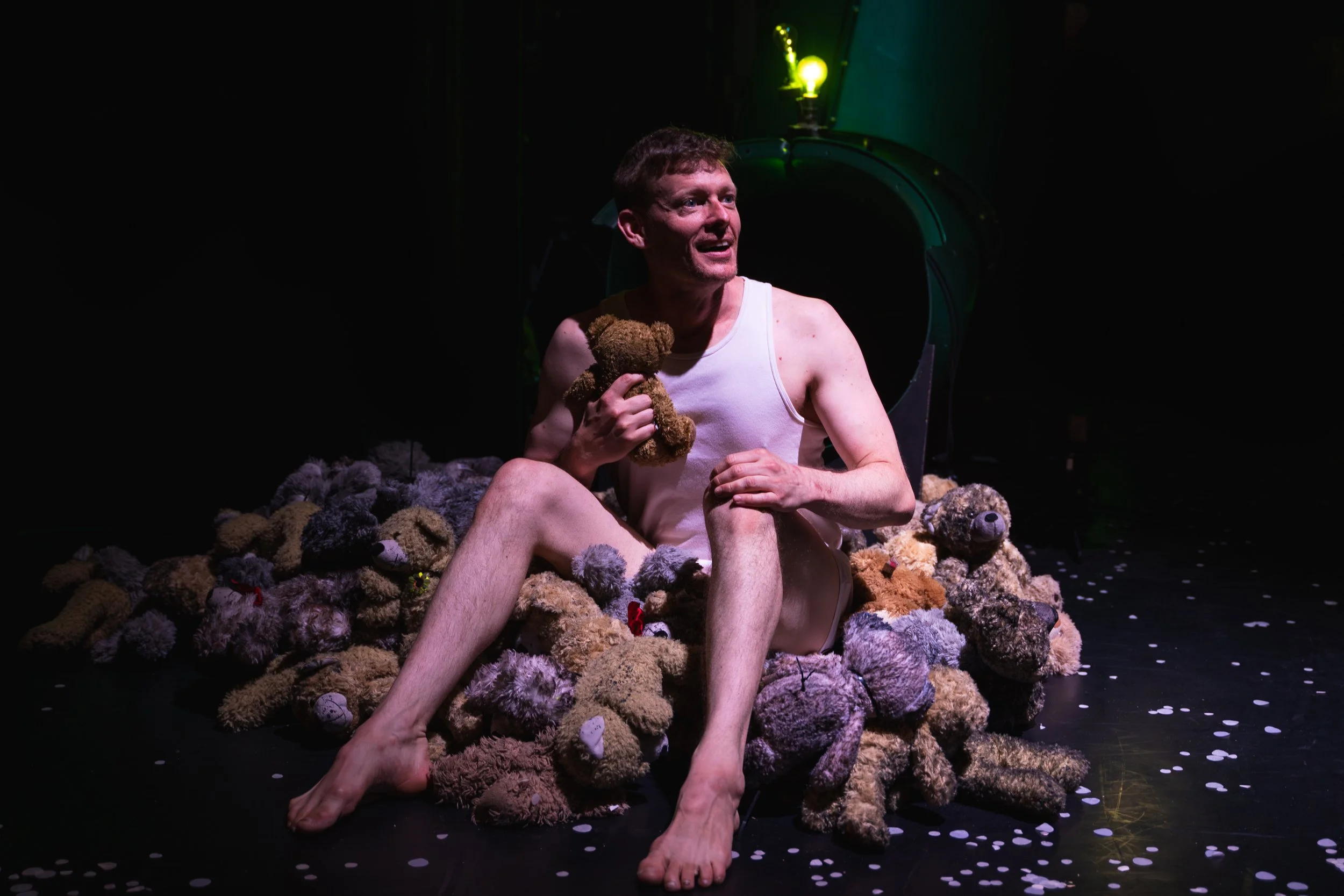
Photo by Malachy LuckieEnd Song
The aim for the end of the show was to express the central idea of community and hope for the future; to be something uplifting and inspiring that could reach into the hearts of everyone who sees the show anywhere in the world.
Rhythmic clapping patterns came from the idea to create a distinctive cadence that is heard at points during the show to represent the growing spirit of change. It is present during the scenes with Sophie & Stephanie, the lead revolutionaries of the story, and is heard as a percussive layer at various points. This culminates in the final song where the full company sing, stamp, clap and shout in interlocking patterns, building to all-encompassing crescendo.
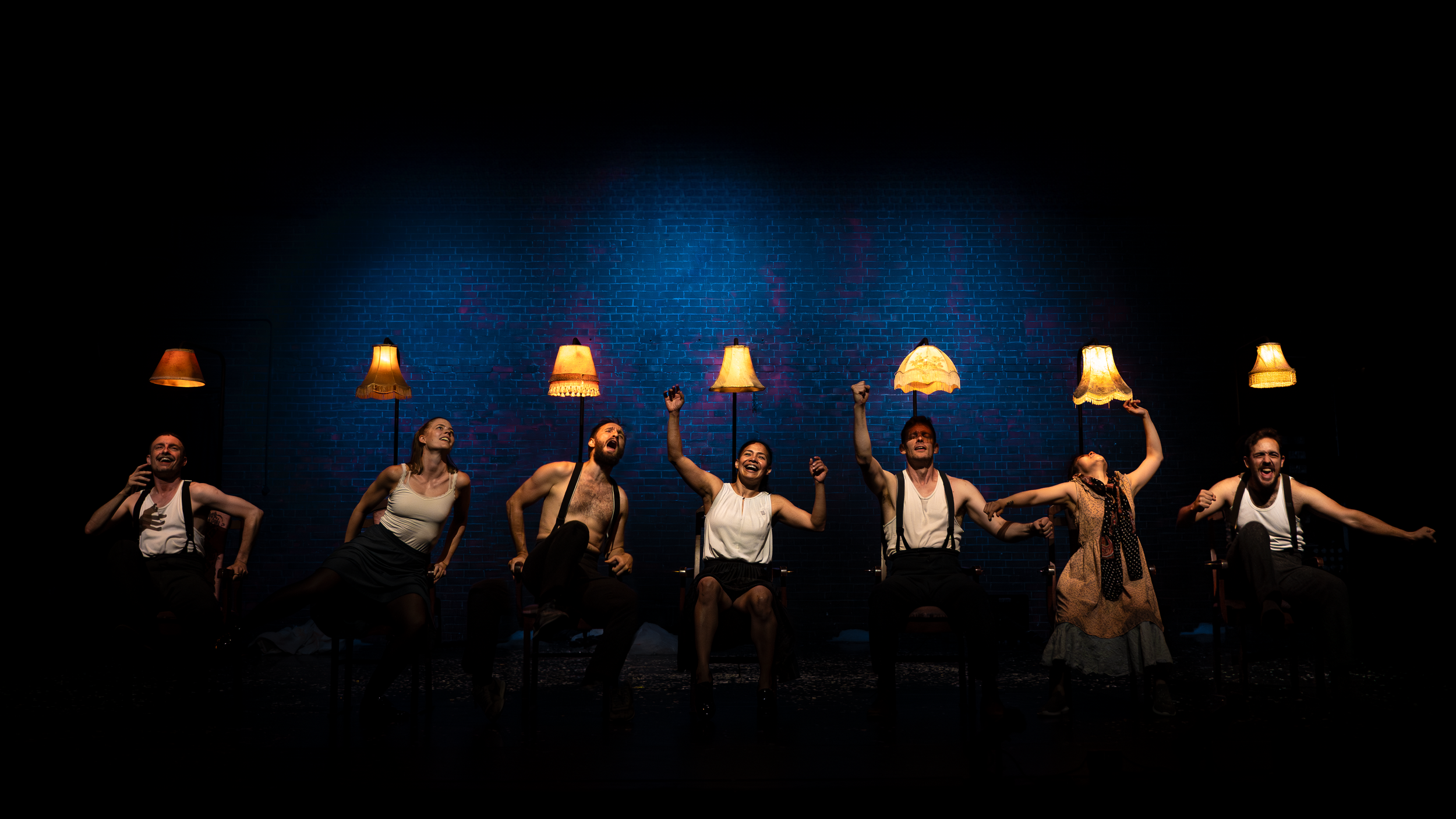
Photo by Malachy LuckieCREDITS
For Gecko:
Artistic Director: Amit Lahav
Executive Director: Matthew Jones
Associate Director: Helen Baggett
Associate Director: Chris Evans
Creative Engagement Coordinator: Niamh Milligan
Marketing & Social Media Coordinator: Malachy Luckie
Creative Team:
Created by: Amit Lahav
Collaborating with:
Set and Costume Design: Rhys Jarman
Lighting: Joe Hornsby
Sound: Jon Everett
With original music by Dave Price
Devising Performers:
Mario Garcia Patrón Alvarez, Lucia Chocarro, Madeleine Fairminer, Vanessa Guevara Flores, Ryen Perkins-Gangnes, Saju Hari, Wai Shan Vivian Luk, Miguel Torres Umba, Dan Watson.
Producer: Matthew Jones
Production Manager & Technical Stage Manager: Jake Channon
Assistant Director: Chris Evans
Company Stage Manager: Silvia Carradori
Lighting Operator: Joe Pilling
Sound Operator: Francis Gardner
Costume Supervisor: Gayle Playford
Assistant Stage Manager: Rebecca Hall
Musicians and Vocalists: Dave Price with: Tom Allan (trumpet), Sam Burgess (electric and double bass), Ben Hales (electric guitar), Frank Moon (oud), Dave Shulman (clarinets and saxophones) and Jon Thomas (bass guitar). Amharic vocal, krar and masenko by Temesgen Zeleke.
Production & Rehearsal Photos by Malachy Luckie
With thanks to:
Sharon Tsang
André Birck
Verity Saddler
Lucy Adams
Mishi Bekesi
Gecko is supported by Arts Council England and Ipswich Borough Council. The Wedding is a Gecko production, supported by Norwich Theatre and Landmark Productions.
THE COMPANY
DEVISING PERFORMERS


-
DEVISING PERFORMER
Mario started his career as a performer in 2012 at the EMAD Academy of Madrid. At the age of 18 he starts a 4 years bachelor in Physical Theatre at the RESAD (Royal School of Performing Arts in Madrid). The third year of studies, he goes to the Folkwang Universität der Kunste (Essen, Germany) where he takes classes with companies as Pina Bausch or Familie Flöz. In 2018, he comes back to Madrid and finish his bachelor.
Since that time, he performs in different projects: Gods and Humans (Javier Mejía), Chaplin (Cachivache Company), The Hive (Ataria´s Company), The Idiots (Diego Landaluce) or LOVE (Julio Béjar). In the meantime, he founded with other performers of the RESAD the physical theatre company Conclave Theatre. With this company, he participates in the creation and performs in the shows: Today is Now (2018), In the middle of the supermarket I wanted to dance (2019) and Like me (2020/2021).
He also keeps developing his acting capabilities with masters as Vicente Fuentes y Francisco Carril, and his dance performances with David Vilarinyo, Marie Gyselvrecht or Malou Airaudo.
SHOWS WITH GECKO
The Wedding | Kin
-
DEVISING PERFORMER
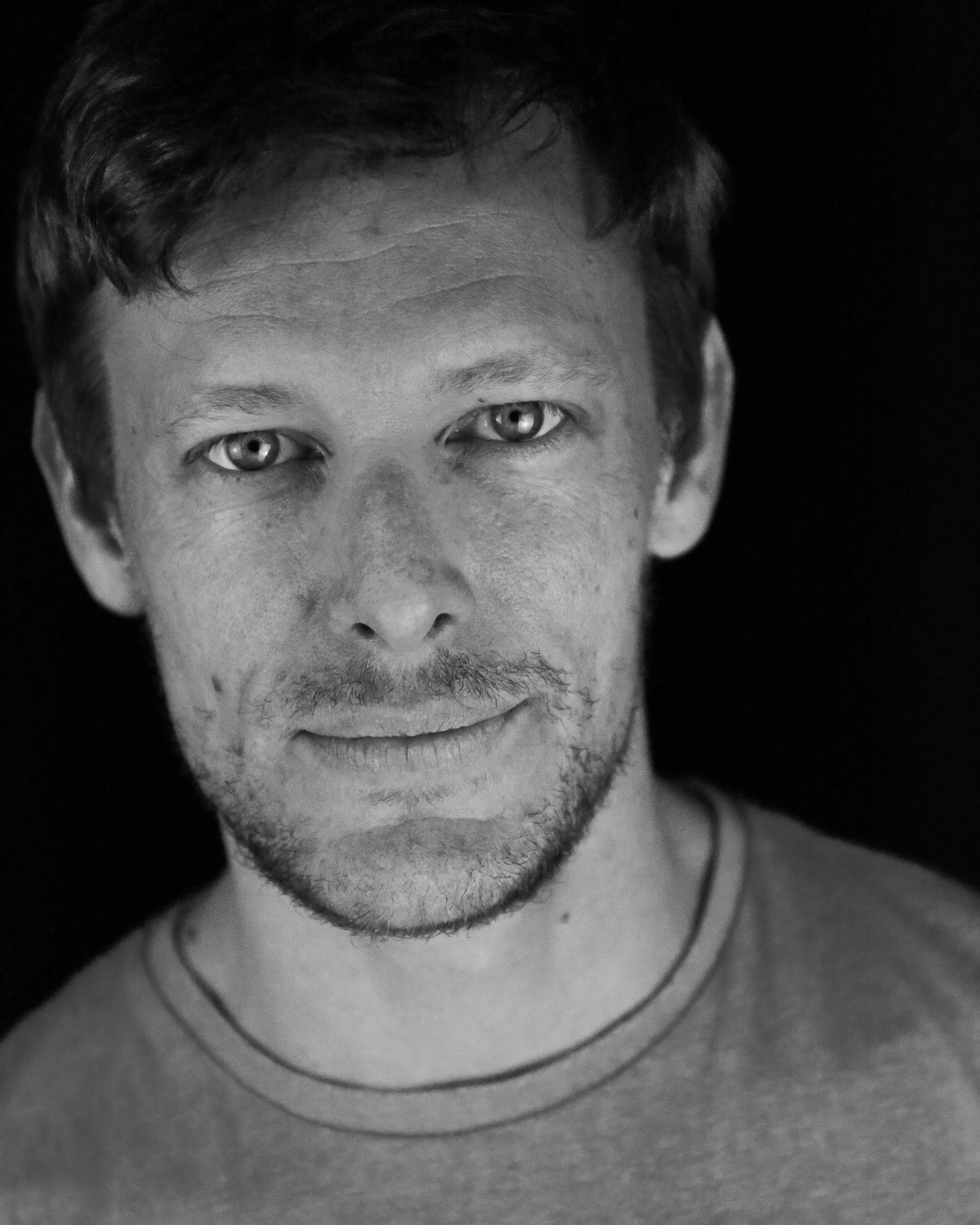
Lucia is from Pamplona, north of Spain. Moving to the UK to pursue her training in dance, she graduated from London Contemporary Dance School in July 2013 with a First Class Honours. Lucia has performed across the UK and Europe, has worked on a variety of projects and has performed with Punchdrunk Immersive Theatre Company, Jamaal Burkmar Dance, BitterSuite, Victoria Fox, Sarah Dowling, Just Us Dance Theatre (Joseph Toonga) and worked as a Special Action Artist for Wonder Woman and Justice League with Warner Bros Productions. Lucia is a founding member of Feet off the Ground Dance collective and a certified Yoga Alliance Teacher and practitioner.
SHOWS WITH GECKO
The Wedding | Kin


-
DEVISING PERFORMER
Saju was born in the South Indian state Kerala and is now based in London. Saju is trained in martial art Kalaripayattu before he started his contemporary dance career working professionally with several UK based dance companies including Imlata Dance Company, the Bedlam Dance and Shobana Jeyasingh Dance Company. He also toured with the Akram Khan Company, Michael Keegan Dolan’s Fabulous Beasts Dance Theatre as well as the Berlin based Sasha Waltz and Guests.
Saju is also a choreographer and director. Between October 2017 and July 2018, Saju premiered two of his own works: “Stillness is monochrome?” at the Viennese castle Luftschloss Cobenzl and “Fly from” at the Curve Theatre (Leicester, UK). Saju’s well-received work “Breaking Joints”, commissioned by UK Arts Council, premiered at London Richmix (2016). Previously, Saju directed a site specific creation with Spitfire company at Palac Akropolis Theatre, Prague (2014), created Vice Versa a duet in collaboration with Finnish choreographer and dancer Saku Koistinen. Saju’s other choreographies include works commissioned by the Royal Opera House Covent Garden’s ROH2 Summer Collection seasons, The Place and South Bank Center.
SHOWS WITH GECKO
The Wedding | Kin
-
DEVISING PERFORMER
Ryen has been working with Gecko since January 2012 helping to devise Missing, Institute and The Wedding, and touring all three productions internationally. He also appeared in The Time of Your Life live on BBC4 in November 2015.
He was a cast member in Paramount’s 2013 film World War Z, and worked closely with Oscar award winner Andy Jones and choreographer Alex Reynolds to create the movement language for the zombies in the film as movement specialist.
He worked with the Cholmondeleys and the Featherstonehaughs from 2003, and spent 2 years as Lea Anderson’s assistant. He has performed with numerous other companies and choreographers over the years, such as Gary Clarke, Frauke Requardt, and Fabulous Beast. He studied theatre at UC Davis, California and received 5 years compilation martial arts training under the tutelage of Grandmaster Suk Ku Kim.
SHOWS FOR GECKO:
Kin | Institute (film) | The Wedding | The Time of Your Life| Institute | Missing


-
DEVISING PERFORMER
Vanessa is a Dancer-Choreographer specialising in contemporary and traditional Mexican and African diaspora dance. She was first introduced to movement at a very young age by both of her parents who were yoga teachers at the time.
Her passion and curiosity for storytelling and community-related projects led her to perform Mexican traditional dances around the world, and share her practice to professional dancers, children, senior citizens, young offenders and refugees.
She started her professional training as a dancer at the National School of Contemporary Dance in Mexico and continued her training in USA, Africa and Cuba. She has worked with Jose Agudo, Akram Khan (Opening Ceremony of London 2012 Olympic Games) Vocab Dance, State of Emergency, ACE Dance and Music, Ballet Nimba, National Company of Mexico, Heartbeat of Home (Riverdance), David Bolger (CoisCeim) and Catherine Young Dance.
Vanessa is currently embarking on the research and development of her own work, starting with her debut piece in London “Xipetza”, where she explores and examines Mexican culture.
SHOWS WITH GECKO
The Wedding | Institute (Film) | Kin
-
DEVISING PERFORMER
Madeleine studied dance in her hometown Oslo before starting her contemporary dance career with Hofesh shechter company in the uk, touring the world with the pieces Sun, Political Mother and Orphee et Eurydice at the royal opera house. In 2015 she started working with gecko theatre and has been involved in 3 creations with them.
Alongside this she is active as a freelance dancer in Norway and Europe, collaborating and working with several different artists and companies such as Cie Alias, Yaniv Cohen and Alexander Montgomery-Andersen.
SHOWS WITH GECKO
The Time of Your Life | The Wedding | Kin
-
DEVISING PERFORMER
Miguel is a Colombian actor, physical theatre performer and director. He trained in Acting at the Superior Academy of Arts of Bogota (Colombia) with further specialist training in Corporeal Mime at the International School of Corporeal Mime in London. He is part Cirque du Soleil’s roster of physical actors and joined Gecko’s Missing in October 2018.
He is the Artistic Director of Blackboard Theatre, a company he founded as a channel to create work that responds to human and sociopolitical issues. He performed in and developed the original idea for the company’s latest show, STARDUST, which was written by Daniel Dingsdale and created in collaboration between artists from Colombia, UK and France. The show is an irreverent and impassioned multimedia solo production exploring the human cost of the global cocaine industry on communities in Latin America.
Miguel works regularly with immersive theatre specialists Secret Cinema as an actor, Performance Director and Associate Creative Director and formed part of the core team that lead some of the companies most popular productions including Back to the Future and Moulin Rouge.
Miguel is also Associate Creative Director at carnival arts company Mandinga Arts, with whom he has worked as performer, choreographer and workshop leader for over 9 years. He is currently leading and developing the company’s new artistic ventures.
SHOWS WITH GECKO
Missing | The Wedding | Institute (Film) | Kin
-
DEVISING PERFORMER
Wai Shan Vivian Luk trained in Musical Theatre in 2009-2010. She graduated from The Hong Kong Academy for Performing Arts in 2015 majoring in contemporary dance. She completed her master degree at Edge, The Place in 2017. She collaborated with choreographers including Ismael Ivo, Laura Arís Alvarez , Natalia Hoecna, Christine Gouzelis, John Utans and Rob Tannion. She started working with TRIBE// in 2016 Still I Rise. From 2018, she worked with various independent artists and in projects through various platforms and dance companies in Hong Kong including Hong Kong Arts Festival Society Limited, Passover Dance Company, E-Side Dance Company, Hong Kong Dance Alliance, Hong Kong Dance Exchange and La P en V Dance Company.
She worked as a dance tutor in Hong Kong leading contemporary dance classes from 2015-2021. In 2017 February, she co-choreographed a first full length piece Post- WHAT and was performed in Hong Kong. In 2018, she performed a solo work in the Austrian-Chinese Profound Arts Festival in Austria. In 2019 and 2021, she choreographed for The Hong Kong Children Musical Theatre annual performance. In 2020, she choreographed her second solo work ANNE. In 2021, she choreographed a 30 minutes piece -ology and co-choreographed a charity show Pasión Por Danza directed by Alan Bailey.
SHOWS WITH GECKO
The Wedding | Kin
-
DEVISING PERFORMER
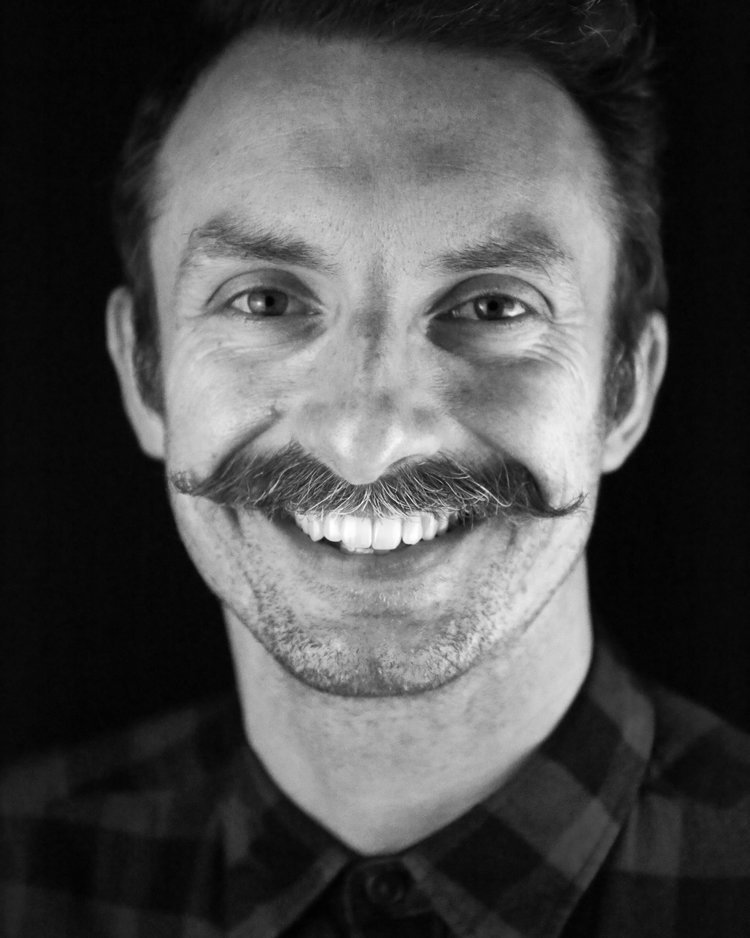
Dan was a formative member of StopGAP Dance Company before moving on to work with such artists as Wendy Houstoun, Nigel Charnock, Stan Wont Dance, 5 Men Dancing, Slung Low Theatre, Protein Dance, Sweetshop Revolution, Seven Sisters Group and Freddie Opoku-Addaie amongst others. He was a collaborating artist on UNDER directed by Portuguese artist Miguel Moreira (Utero) and features in the award winning short film You, directed by Graham Clayton Chance. Dan joined Gecko for The Time Of Your Life, broadcast live on BBC4.
As a maker he has created Semi Detached, Precariously, Sweetest Things and the duet Jacket Dance. He is currently working on a new duet Largely Unsung. Dan has also created work for StopGAP, Flight Effect and Them Two Dance. In 2012 Dan was the Choreographic Assistant on the Universal/Working Title movie of the musical Les Miserables. More recently he was choreographic assistant on Dancehall (CAST) and co-choreographer for The National Commemoration of the Battle Of The Somme in Manchester, choreographing a cast of over 350 volunteers and professionals to perform to an audience of 19,000 people.
SHOWS WITH GECKO
A Little Space | The Wedding | The Time of Your Life
CREATIVES

In collaboration with
-
DIRECTOR
Amit is the Artistic Director and founder of Gecko. He was born in Israel and grew up in London where he trained with theatre and dance creators such as Lindsay Kemp and David Glass and worked as a facilitator in South East Asia, making theatre with street children over a four year period.
Shortly after this time he began to develop his own company and methodologies; particularly Gecko’s emphasis on emotion, physicality, metaphor, breath and musicality. The shows are created in the UK with an international ensemble and tour world-wide. He has developed a unique language of training, performance, devising and teaching and these methods are used by the company as Gecko continue to generate relationships around the world.
Amit has created eight critically acclaimed Gecko shows; Taylor’s Dummies, The Race, The Arab and The Jew, The Overcoat, Missing, Institute, The Wedding, and Kin all of which have toured nationally and internationally.
In 2015, Amit created and performed in The Time of Your Life, which was broadcast live on BBC4 as part of Live From Television Centre.
Shows
From Here On | Kin | Institute (film) | The Wedding | The Time of Your Life| Institute | Missing | The Overcoat | The Arab and The Jew | The Race | Taylor’s Dummies

-
SET AND COSTUME DESIGNER
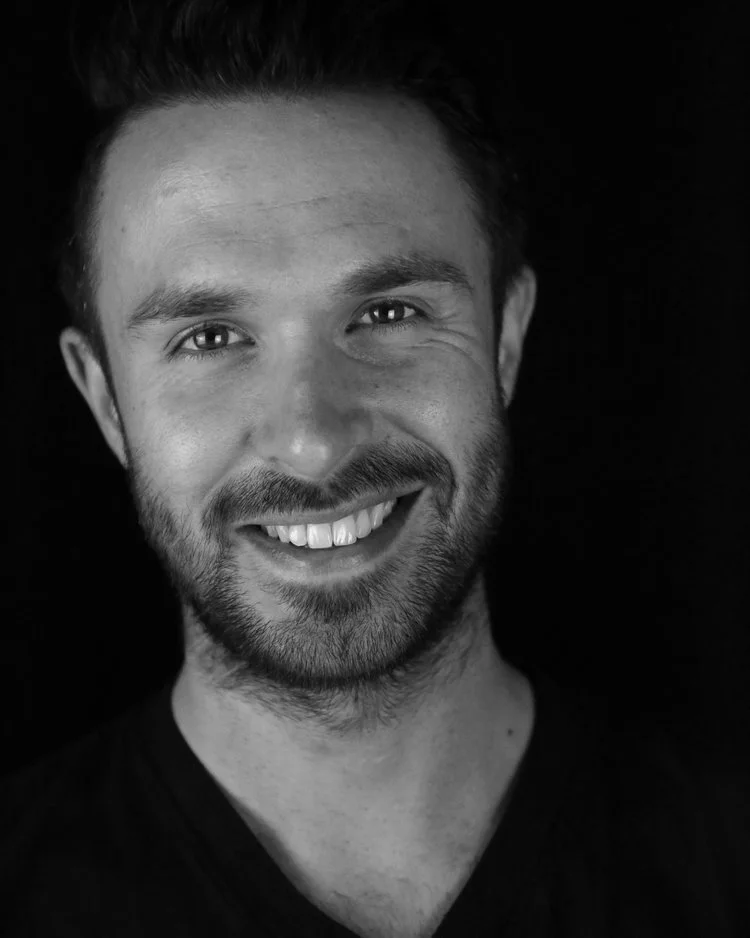
Rhys was one of the winners of the 2007 Linbury Biennial Prize for his designs of Varjak Paw (The Opera Group). New work includes James and the Giant Peach (Northern Stage) and The Machine Stops for York Theatre Royal. In 2015 he designed The Wonderful Wizard of Oz (Northern Stage); Hurling Rubble at the Sun and Hurling Rubble at the Moon (Park Theatre). Designs for Gecko include Missing, Institute and The Time of Your Life (BBC co-production). Recent theatre work includes The Nutcracker (Nuffield Theatre), Holes and Threeway. Rhys has also designed for opera, television and a range if outdoor site specific work.
His design for The Wedding was selected to be part of an exhibition entitled ‘Staging Places: UK Design for Performance’ at the Victoria & Albert Museum (London) in 2019-20.
SHOWS WITH GECKO
Kin | Institute (film) |A Little Space | The Wedding | The Dreamer | The Time of Your Life| Institute | Missing
-
LIGHTING DESIGNER
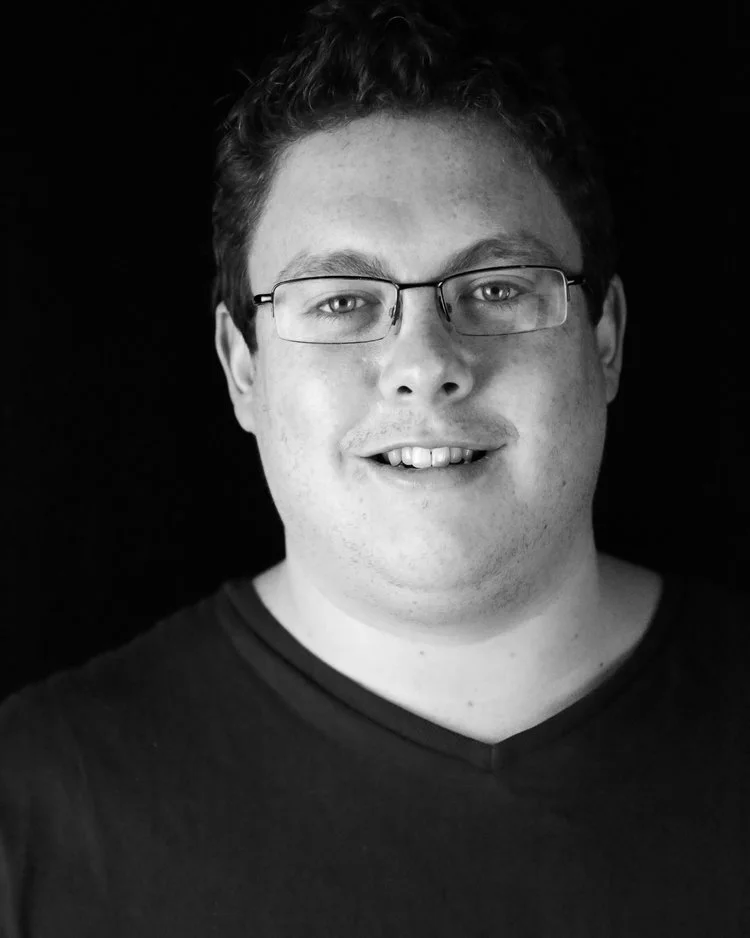
Joe is a lighting designer of theatre, dance, immersive productions, music and events.
His recent credits include productions with Polka Theatre, Theatre Rites, 20-Stories High, Deafinitely Theatre, Belgrade Theatre Coventry, James Cousins Company, Strictly Arts Theatre Company, Marc Brew Company and Pell Ensemble. Joe was associate designer on the 2018 West End transfer of hit musical Caroline, Or Change.
Joe is passionate about creating unique and unexpected designs and enjoys collaborations incorporating light into props and staging.
SHOWS WITH GECKO
The Wedding | Institute | Missing

-
SOUND DESIGNER
-
COMPOSER
Dave works as a composer, multi-instrumentalist, performer, sound designer and music producer. He trained as a percussionist at the Chopin Academy, Warsaw and in 2002 began a long-standing collaboration with Gecko, initially as a performer in the company’s first show Taylor’s Dummies and in The Overcoat. He composed and recorded original soundtracks for The Overcoat, Missing, Institute, The Time of Your Life, The Dreamer and The Wedding.
Other theatre includes several original live scores for the RSC including Troilus & Cressida (collaborating with Evelyn Glennie); the stage adaptation of Alice Sebold’s novel The Lovely Bones and scores for National Theatre, Young Vic, HOME Manchester and Bristol Old Vic. Recent dance projects include scores and sound designs for The Roof and DeadClub (Requardt & Rosenberg) and The Mother (collaborating with Frank Moon) by Arthur Pita.
Dave co-founded the contemporary music collective Noszferatu and has recorded and toured extensively with many bands including numerous projects with singer-songwriter Gwyneth Herbert, co-producing her 2013 album The Sea Cabinet and five albums with Aqualung.
Visit his website:
SHOWS WITH GECKO
Kin | Institute (film) | A Little Space | The Wedding | The Dreamer | The Time of Your Life| Institute | Missing | The Overcoat | Taylor’s Dummies
PRODUCTION & TECHNICAL

-
PRODUCER
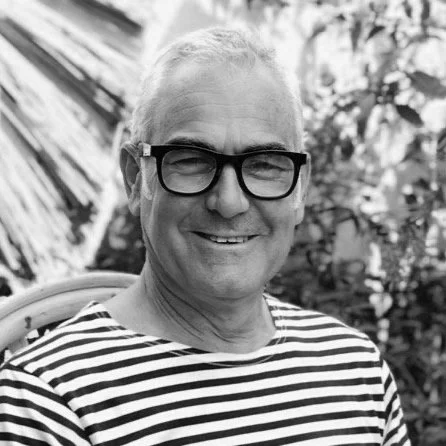
Matthew Jones is co-founder of 1DegreeEast and a creative producer, who has worked in theatre and dance for over 25 years. He has overseen over seventy productions, including co-productions with the Royal Opera House, National Theatre and Sadler’s Wells. His work is predominantly in physical theatre, dance and outdoor arts, has produced performances and creative projects in over 25 countries, and is also currently the Executive Director of Ballo Arthur Pita.
-
PRODUCTION MANAGER & TECHNICAL STAGE MANAGER
Jake joined Gecko in 2021 and is a freelance production carpenter, prop maker and technical stage manager for live theatre, dance, circus and site specific works.
He thrives making the unique special effects and props that Gecko are famous for and the stranger the brief, the more fun it is.
Previously he has toured domestically and globally with companies such as Impermanence Dance Theatre, Bath Theatre Royal, Eclipse Theatre, Kneehigh, DV8 and Rambert.

-
ASSISTANT DIRECTOR
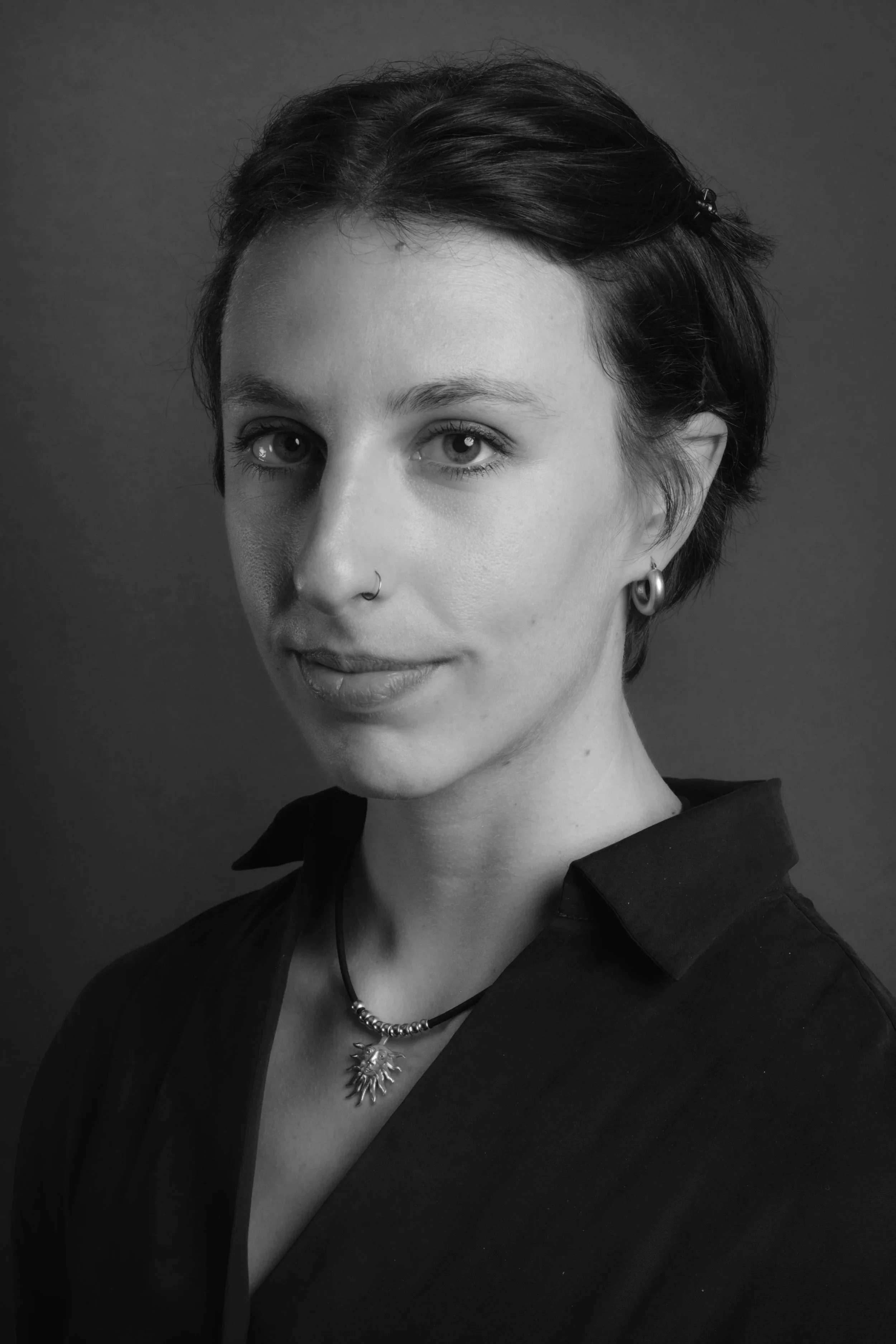
Chris began his career with Hofesh Shechter Company, performing as one of its original members, and touring worldwide. During this time, he also collaborated with Jonathan Lunn to devise Reading Rooms, a dance/text interplay working with Alan Rickman, Juliet Stevenson, and Miranda Richardson. He later joined Lost Dog Theatre Company, co-devising It Needs Horses, which toured internationally and won the Bloomburg Place Prize Award for dance. Chris has been a member of Gecko since 2011 and has worked on the creation of The Wedding, Missing and Institute, touring these productions worldwide.
Chris still continues a creative relationship with Hofesh Shechter, joining him on two major projects; as Assistant Choreographer for The Metropolitan Opera’s new creation Two Boys, and Associate Choreographer for the Broadway Musical Fiddler on the Roof.
Shows
The Rescue | Kin | Institute (film) | The Wedding | The Dreamer | Institute | Missing
-
COMPANY STAGE MANAGER
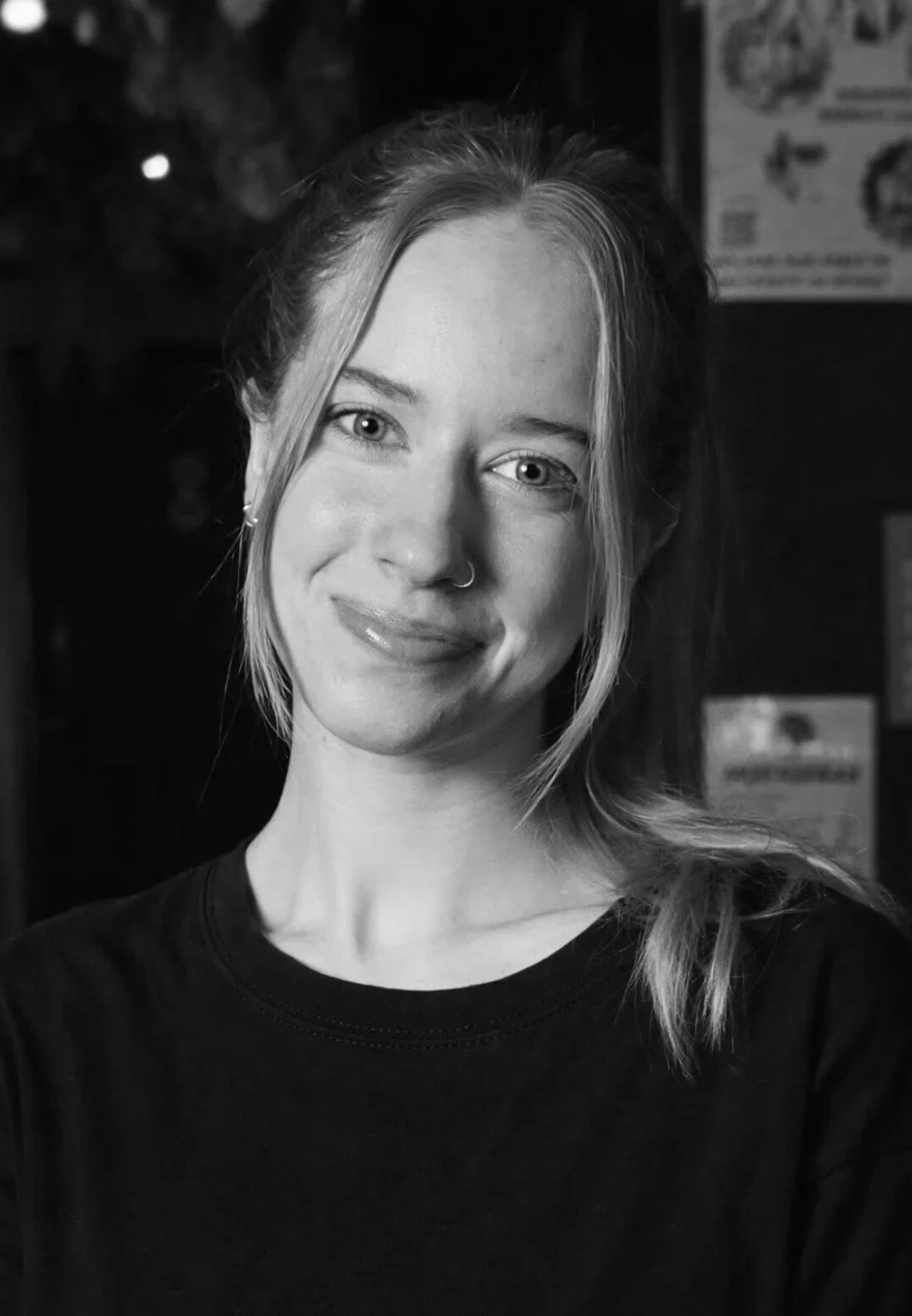
Silvia is a freelance stage manager and arts administrator based in London. Originally from Italy, she worked as a dancer and dance educator in her home country and the UK before finding a passion for production roles. After graduating in Arts Management from Goldsmiths, University of London, she joined the staff of the independent London-based organisation Ugly Duck as administrator and producer. As a stage manager, she worked in dance and music events, including Tala Lee Turton Productions, Displaced Concerts and The Place, Ransack Theatre, Dream Awake China (The Deal), and Gecko Theatre.

-
COSTUME SUPERVISOR
Gayle is a professional costume maker and supervisor for theatre and television. She is inspired by everything in the world around her, and is particularly interested in the role of costume as a narrative tool. Gayle believes in an organic development of work, rich in terms of cross collaboration, and is enthused by both contemporary work and themes of a forgone era. Recent TV work includes: Taboo (BBC/FX channel), Dr Who (BBC Wales), Beowulf (ITV), Evermoor (Disney) and Wolf Hall (BBC); Gayle’s theatre work is extensive, and she has collaborated through opera, musical theatre and ballet with: The Bolshoi Ballet, RSC, Northern Stage, York Theatre Royal, Sheffield Theatres, and Opera Australia.
-
ASSISTANT STAGE MANAGER
Rebecca is a contemporary dance artist who is beginning her career in performance production and stage management. The performance experience gained throughout her training at Danceeast CAT and Trinity Laban Conservatoire has lead to a significant interest for the work off stage and behind the scenes.
BEHIND THE SCENES GALLERY
Photography by Malachy Luckie

Gecko’s Creative Engagement programme supports the company’s artistic output, inviting performers, teachers, professional artists, students of theatre or dance and the public to bravely and open heartedly delve into new worlds of connection, imagination and discovery through creativity and play. It provides an opportunity to explore the techniques and processes used to create and perform our work and a safe and supportive environment to express, heal, be vulnerable, nurture empathy, uncover truth and foster deep relationships.
Led by Gecko’s highly experienced devising performers, our workshops and intensives provide a practical and engaging exploration of the devising processes and performance techniques we use when creating a show. Our workshops support the teaching of students in schools (Year 10 upwards), colleges and universities, giving participants the chance to experience Gecko’s unique style of movement and physical theatre, as well as an opportunity to gain an insight into the creative processes Gecko’s devising performers use when creating a show.
Our professional development intensives are uniquely curated experiences and richly collaborative spaces to connect, play and make art within a safe community where honesty and vulnerability is encouraged and championed. We run 4 intensives per year where participants from all over the world travel to our home town Ipswich to spend a week learning, devising and connecting with us and 20 fellow artists, teachers, facilitators, and performers.
Find out more about our Creative Engagement activities below.

Support our work
Make a donation to support the full breadth of our work. It is an investment in everything that we do, helping propel our work forward and connecting us with more people. We’ll use your donation to:
Develop and tour pioneering productions, allowing us to take risks and test new ways of working.
Remove barriers to participation, to inspire, enrich and unlock the potential in everybody, no matter their background
Deliver transformational work with schools, community groups and beyond
Catalyse the careers of emerging practitioners and provide training to our devising ensemble
We know you have a choice of who to support, which is why any donation you give means so much to us at Gecko.
Thank you